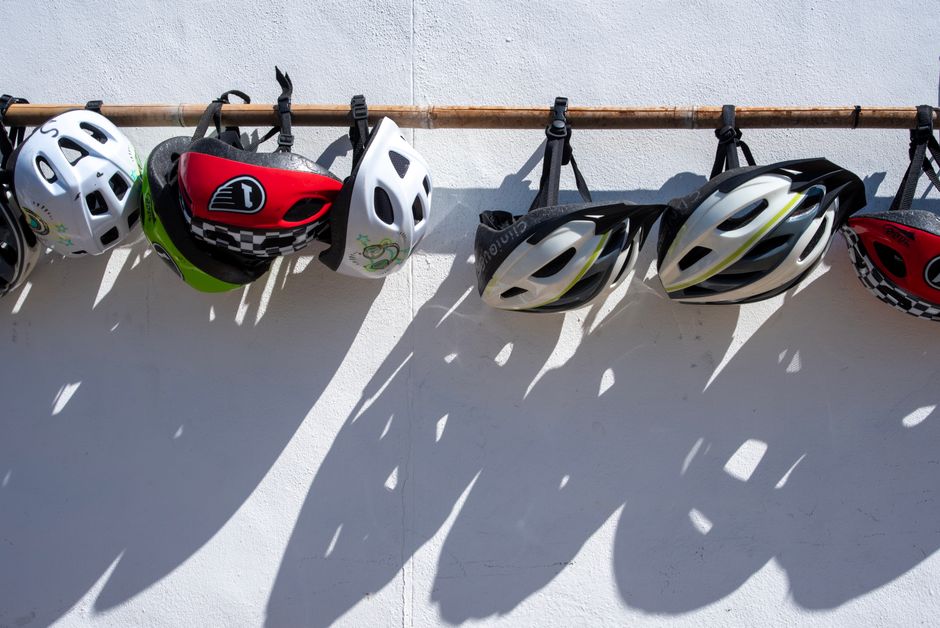
Having a clean bike helmet is not only important for hygiene but also for safety. A dirty helmet can compromise its effectiveness in protecting your head in case of a fall. Regularly cleaning your helmet is a simple task that can go a long way in ensuring its longevity and performance.
Before you start cleaning your helmet, it's essential to know what type of helmet you have. Most bike helmets these days have a removable padding system that can be taken out for washing. If your helmet has this feature, gently remove the padding and straps before cleaning.
Next, fill a basin with warm water and mild soap. Avoid using harsh chemicals or abrasive materials that can damage the helmet's structure. Submerge the padding and straps in the soapy water and gently scrub them with a soft brush or cloth. Rinse thoroughly to remove any soap residue.
For the outer shell of the helmet, use a damp cloth to wipe away any dirt or grime. Avoid using excessive force as this can scratch the surface of the helmet. If there are stubborn stains, you can use a mild detergent or specialized helmet cleaner to spot clean.
After cleaning, allow all the components of the helmet to air dry completely before reassembling it. Avoid using a hairdryer or any direct heat source as this can damage the materials of the helmet. Once everything is dry, carefully put the padding and straps back in place.
It's also essential to regularly check the overall condition of your helmet. Look for any signs of wear and tear, such as cracks, dents, or loose parts. If you notice any damage, it may be time to replace your helmet to ensure your safety on the road.
Proper helmet care is not only about cleaning but also about storage. Avoid leaving your helmet in direct sunlight or extreme temperatures, as this can degrade the materials over time. Instead, store your helmet in a cool, dry place away from any harsh chemicals or fumes.
When it comes to buying a new helmet, there are a few key factors to consider. The first thing to look for is the safety certifications of the helmet. Make sure it meets the standards set by organizations like the Consumer Product Safety Commission (CPSC) or the American National Standards Institute (ANSI).
Fit is another crucial aspect of helmet buying. A helmet that doesn't fit properly can be just as dangerous as not wearing one at all. Make sure to measure your head size and try on different helmets to find one that fits snugly but comfortably. Look for helmets with adjustable straps and padding to customize the fit.
Consider the type of riding you will be doing when choosing a helmet. If you're a road cyclist, a lightweight, aerodynamic helmet may be more suitable. For mountain biking or commuting, a helmet with more coverage and ventilation may be better.
Lastly, don't forget about style. While safety should always be the top priority, there are plenty of stylish helmet options available on the market. Choose a helmet that you feel confident wearing and matches your personal style.
In conclusion, taking care of your bike helmet is essential for both safety and longevity. Regular cleaning and proper storage can help ensure your helmet is always ready to protect you on the road. When buying a new helmet, make sure to consider safety certifications, fit, riding style, and personal preference. With the right care and attention, your helmet can be a reliable companion on all your cycling adventures.